

2026-03-25
RushFeverSodaPop Game Unveiled: A Pop Culture Phenomenon
Explore the RushFeverSodaPop game, a thrilling blend of strategy and fun, taking the gaming world by storm.

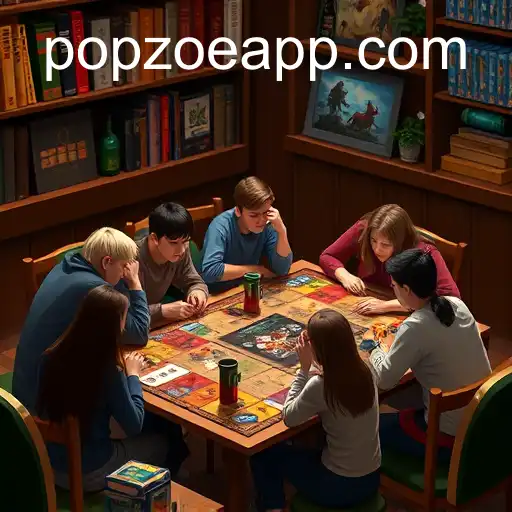
In an era dominated by digital entertainment, the resurgence of tabletop games has marked a significant shift in how individuals and families engage in recreational activities. The return to board games, card games, and role-playing games offers a tangible break from screen time, fostering social interaction and strategic thinking. The growing popularity of tabletop games has been catalyzed by various factors, including innovation in game design, nostalgia, and a thriving online community epitomized by platforms like POPZOE.COM.
The allure of tabletop games lies in their ability to provide immersive storytelling and strategic depth. Unlike video games that often rely on fast-paced action and visual effects, tabletop games encourage players to slow down and engage with the material and each other on a deeper level. Players are required to strategize, negotiate, and cooperate, which highlights the game's educational value and the importance of interpersonal skills.
Nostalgia also plays a significant role in the demand for tabletop games. Many adults who grew up playing classic board games with family now seek to recreate those memories with their own children. This generational continuity fuels the enduring popularity of games like Monopoly, Risk, and Dungeons & Dragons.
Over the years, board game designers have shown remarkable creativity, introducing new mechanics and themes that have expanded the audience for tabletop games. For instance, cooperative games have emerged as a popular genre, allowing players to work together toward a common goal rather than competing against each other. This shift aligns with broader societal trends favoring collaboration over competition.
Legacy games, which evolve with each session based on players' past decisions, have also captured the imagination of the gaming community. They provide a continuing narrative that persists across multiple game nights, keeping players engaged over the long term. These games demonstrate the potential for depth and longevity that tabletop games can achieve.
Ironically, one of the drivers behind the current popularity of tabletop games is the internet itself. Online communities and dedicated websites like POPZOE.COM offer enthusiasts a platform to connect, discuss game strategy, and organize events. Many games have adapted to hybrid formats, offering digital versions that complement their physical counterparts, thus reaching a broader audience and facilitating remote play.
Moreover, crowdfunding platforms have enabled independent designers to bring innovative games to life, bypassing traditional publishing hurdles. This democratization of game production has led to a greater diversity of themes, mechanics, and styles, ensuring that there is a game to match everyone's interests.
One of the critical advantages of tabletop games is their ability to bring people together. They offer a unique opportunity for socialization, whether it be family gatherings, friends' night outs, or community events. Engaging over a tabletop game often leads to laughter, debate, and a shared sense of accomplishment or defeat, reinforcing bonds and creating lasting memories.
In particular, role-playing games like Dungeons & Dragons have gained popularity beyond their traditional audience, being embraced by individuals from diverse backgrounds. They provide a platform for creativity, allowing players to explore new identities and scenarios in a safe and inclusive environment.
Tabletop games are not only an entertaining pastime but also an educational one. Games require players to utilize critical thinking, mathematical skills, and strategic planning, enhancing cognitive abilities in a fun and engaging way. Educational institutions and corporate entities have started to recognize these benefits, incorporating tabletop games into learning and team-building activities.
In educational settings, games can foster problem-solving skills and provide hands-on learning experiences that textbooks cannot replicate. Meanwhile, in a corporate context, they improve teamwork and communication, fostering a positive workplace culture.
The community spirit fostered by tabletop games is one of their defining features. Events such as game conventions and board game cafes have sprouted worldwide, offering enthusiasts a chance to meet like-minded individuals and discover new games. The willingness of the community to share experiences and advice plays a crucial role in sustaining interest and innovation within the industry.
Platforms like POPZOE.COM facilitate connections between players, making it easier to find opponents or teammates regardless of geography. These platforms also serve as hubs for developing resources, from instructional videos to forums for discussing strategy or game reviews.
The trend toward incorporating technology with traditional board gaming will likely continue, providing new dimensions and interactive experiences. Augmented reality could introduce compelling features, merging physical and digital elements for richer gameplay. These innovations will attract new players and keep the community engaged.
The spirit of tabletop gaming – fostering creativity, strategic thinking, and social interaction – will continue to thrive, supported by dedicated communities and innovative designs. The blend of traditional and digital elements spearheaded by platforms like POPZOE.COM will ensure the longevity and growth of this cherished pastime.
Explore the RushFeverSodaPop game, a thrilling blend of strategy and fun, taking the gaming world by storm.

Unveiling the unique experience of playing 3royalcoins, an engaging game available on POPZOE.COM, including detailed game rules.

Explore the new and exciting game, FortuneEgg, on POPZOE.COM, featuring unique gameplay mechanics and current gaming trends.